 Tel. colombia
  us phone



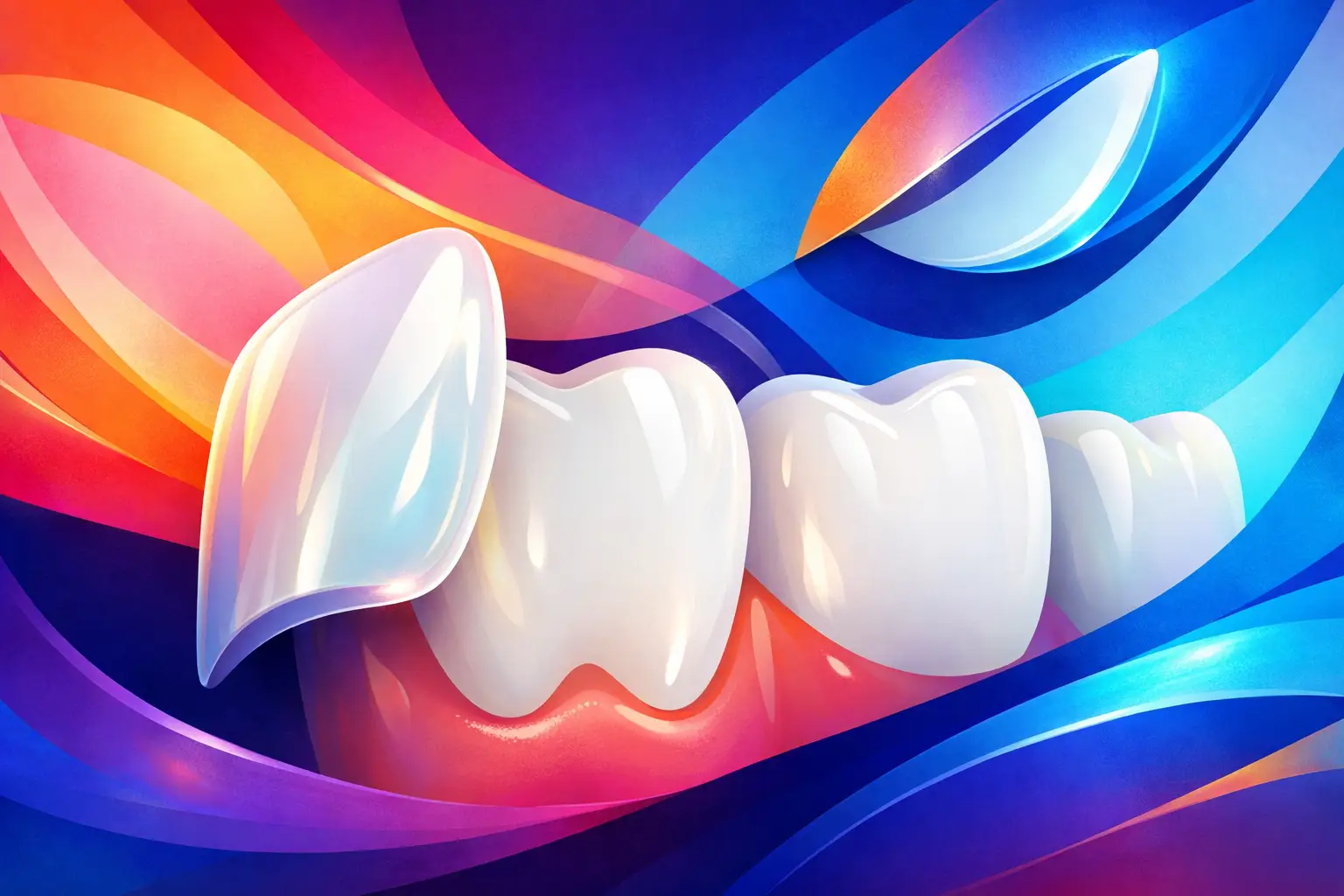
A beautiful smile can elevate far more than a photo. For many adults, it changes the way they speak in meetings, show up at events, and move through daily life with confidence. This guide to porcelain veneers is designed for patients who want more than a cosmetic quick fix. It is for those seeking a refined, lasting result delivered with clinical precision and aesthetic judgment.
Porcelain veneers have become one of the most requested treatments in modern cosmetic dentistry because they can correct several visible concerns at once. Stains that do not respond to whitening, uneven tooth shapes, minor chips, small gaps, and teeth that appear worn or asymmetrical can often be transformed with veneers. The appeal is clear – the result can look bright, balanced, and elegant without appearing artificial when planned properly.
What porcelain veneers actually are
Porcelain veneers are ultra-thin ceramic shells custom crafted to cover the front surface of teeth. They are designed to improve color, shape, length, and overall harmony within the smile. Unlike removable cosmetic options, veneers are bonded directly to the teeth and become part of the visible structure of your smile.
Their greatest advantage is not simply that they look white. High-quality porcelain reflects light in a way that closely resembles natural enamel, which is why premium veneers can appear sophisticated rather than flat or overly opaque. When designed by an experienced cosmetic dentist, they do not just make teeth lighter. They create proportion, symmetry, and facial balance.
Who is a good candidate in this guide to porcelain veneers
The best candidates are patients with healthy teeth and gums who want to improve the appearance of their smile in a significant yet controlled way. Veneers are often ideal for adults with discoloration, mild misalignment, uneven edges, or teeth that have lost their youthful shape over time.
That said, veneers are not right for every case. If a patient has active gum disease, major decay, severe bite instability, or untreated grinding, those issues should be addressed first. In some situations, orthodontics or restorative treatment may be the better first step. Excellent cosmetic dentistry is never about forcing one treatment onto every smile. It is about choosing the solution that protects health while delivering beauty.
Patients who travel for care often appreciate veneers because treatment can be structured efficiently, but careful planning still matters. A premium result depends on diagnosis, facial analysis, material selection, and a clear understanding of how dramatic or natural the final smile should look.
What veneers can improve
Porcelain veneers are versatile, but their strength lies in aesthetic refinement. They can mask deep stains caused by medication or enamel defects. They can make short teeth appear more elegant, soften irregular edges, and close small spaces that distract from smile symmetry.
They can also create a more youthful appearance. Teeth naturally wear down over time, and that wear can make the face seem older or more tired. Restoring proper length and contour often changes the entire smile dynamic. Patients frequently notice that after veneers, their lips are better supported and their expression appears fresher.
Still, veneers have limits. They are not a substitute for replacing missing teeth, and they are not meant to solve major functional problems by themselves. In more complex cases, veneers may be one part of a broader smile design or full-mouth rehabilitation.
The consultation and smile design process
A veneer case should never begin with shade selection alone. The real process starts with evaluation. Your dentist examines tooth structure, bite alignment, gum symmetry, oral health, and the relationship between your teeth and facial features. This is what separates ordinary cosmetic work from high-level smile design.
A thoughtful consultation includes a conversation about your goals. Some patients want a glamorous, high-impact smile. Others want an understated refinement that looks naturally polished. Neither approach is wrong, but they require different design choices in shape, brightness, and contour.
At a clinic such as Sonrisa Perfecta Dental, where aesthetic dentistry is paired with an elevated patient experience, this planning stage is central to the final result. Veneers should complement your face, not dominate it. The best work looks intentional, exclusive, and believable.
How teeth are prepared for porcelain veneers
One of the most common questions in any guide to porcelain veneers is whether the natural teeth need to be shaved down. The answer is that it depends on the case. Traditional porcelain veneers usually require conservative preparation, meaning a small amount of enamel is reshaped to create room for the ceramic and ensure a smooth, natural fit.
This step is precise, not aggressive, when performed correctly. The goal is to preserve as much healthy tooth structure as possible while avoiding bulky results. In select cases, very minimal-prep veneers may be possible, but they are not ideal for everyone. If a patient already has teeth that project outward, minimal prep can sometimes lead to an oversized appearance.
Temporary veneers may be placed while the final restorations are being fabricated. This allows the patient to preview the new smile and assess comfort, length, and overall appearance before the definitive bonding appointment.
What the final result should look like
A luxurious smile is not necessarily the whitest smile. It is the smile that suits the patient. Elite cosmetic dentistry relies on proportion, translucency, edge detail, and harmony with skin tone, lip movement, and facial structure.
The most attractive porcelain veneers usually share one quality – they do not look stamped out. They look customized. Central incisors, laterals, and canines should relate to one another in a way that feels natural and elegant. Surface texture and light reflection should be considered just as carefully as color.
Patients who ask for an extremely bright result should also hear the professional truth. Very white veneers can be beautiful, but they must still look refined. A skilled cosmetic dentist knows how to create brightness without sacrificing realism.
How long porcelain veneers last
Porcelain veneers are known for durability. With proper care, they commonly last 10 to 15 years and often longer. Longevity depends on the material used, the quality of bonding, bite forces, oral habits, and daily maintenance.
They are stain resistant, which is one reason they remain popular among patients who want long-term brightness. But stain resistant does not mean damage proof. Opening packages with your teeth, biting hard objects, or untreated grinding can shorten the life of veneers.
Many patients benefit from a night guard if they clench or grind while sleeping. Routine dental checkups and professional cleanings are also essential. Veneers are an investment in appearance, and like any fine restoration, they deserve attentive care.
Cost, value, and why expertise matters
Cost varies depending on the number of veneers, the complexity of the case, the material selected, and the experience of the treating dentist. For international patients, part of the appeal is access to advanced cosmetic care with a stronger value proposition than what they may find in major US cities.
But veneers should never be chosen by price alone. Cheap cosmetic dentistry is often expensive to correct. Poorly designed veneers can look opaque, bulky, or uneven at the gumline. Worse, they can compromise tooth structure and require premature replacement.
The real value of porcelain veneers is found in precision, artistry, and longevity. Patients are not simply paying for ceramic shells. They are paying for diagnosis, design, functional balance, and the confidence that comes from being treated by a dentist with aesthetic discipline and restorative expertise.
Are porcelain veneers worth it?
For the right patient, absolutely. Veneers can create a dramatic improvement in a relatively short period of time, and the emotional impact is often just as meaningful as the cosmetic change. Patients frequently describe feeling more polished, more youthful, and more comfortable being seen.
Still, worth depends on expectations. Veneers are not a casual beauty trend. They are a long-term dental treatment that should be approached with clarity and intention. If you want a striking but sophisticated smile and are prepared to invest in quality, they can be one of the most rewarding choices in aesthetic dentistry.
The best place to begin is not with a before-and-after gallery alone, but with an honest professional evaluation. A truly exceptional smile is never accidental. It is planned with skill, taste, and respect for the person behind it.
When porcelain veneers are done at the highest level, they do more than improve teeth. They refine presence. And for many patients, that shift is exactly what makes the treatment so powerful.