 Tel. colombia
  us phone



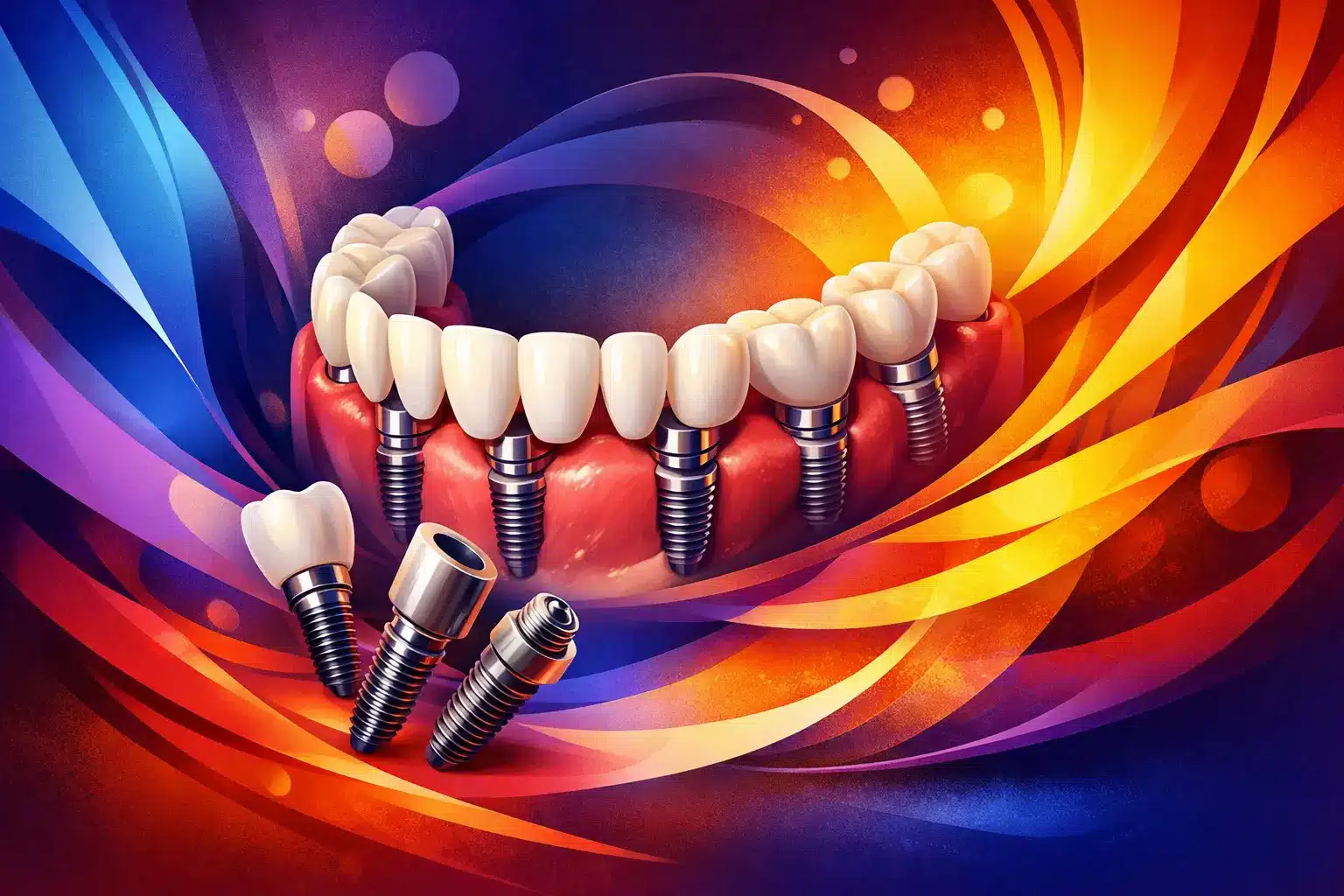
Losing most or all of your teeth changes more than your bite. It changes how you speak in meetings, how confidently you smile in photos, and how comfortable you feel ordering the food you actually want. This guide to full arch implants is designed for patients who want a permanent, sophisticated solution – one that restores function and elevates appearance without the limitations of traditional removable dentures.
Full arch implants replace an entire upper or lower set of teeth using a carefully planned series of dental implants that support a fixed prosthesis. For the right candidate, the result can feel transformative. You regain stability, improve chewing power, and restore facial support in a way that looks refined and natural. But this is not a one-size-fits-all treatment. The quality of the result depends on anatomy, planning, materials, surgical skill, and the artistic judgment behind the final smile.
What full arch implants actually are
A full arch restoration typically uses four to six implants to support a complete row of prosthetic teeth. You may hear terms like All-on-4 or full mouth implants, but the core concept is the same: strategic implant placement creates a stable foundation for a fixed arch.
What makes this approach so appealing is efficiency. Instead of replacing every missing tooth with an individual implant, the implants work together to hold a full prosthetic bridge. That usually means fewer implants, less invasive treatment than many patients expect, and a more streamlined path to a complete smile.
For many adults who have failing teeth, advanced wear, long-term denture frustration, or significant tooth loss, full arch implants offer a solution that is both functional and cosmetic. The improvement is not only mechanical. It often restores a more youthful facial profile and a level of confidence that removable options rarely provide.
Guide to full arch implants: who is a good candidate?
The best candidates are patients missing most or all teeth in one arch, or those with teeth that are so damaged they are no longer predictable to save. Chronic infections, severe decay, advanced gum disease, broken restorations, and unstable dentures often lead patients to consider this treatment.
That said, candidacy is more nuanced than many online articles suggest. Bone volume matters, but limited bone does not always rule you out. Modern planning techniques can often work around moderate bone loss, and in some cases bone grafting may help. Gum health, overall medical history, smoking habits, bite force, and expectations all play a role.
Patients with uncontrolled diabetes, active periodontal disease, or heavy smoking histories may face a higher risk of complications. This does not always mean no – it means treatment must be assessed with precision. A high-level implant team will be candid about where the risks are and how to reduce them.
The planning stage is where great outcomes begin
The most successful full arch cases are built long before surgery. A proper workup usually includes digital imaging, bite analysis, facial assessment, and a detailed review of how the final smile should look when you talk, laugh, and rest your lips naturally.
This is where premium care separates itself. Full arch treatment is not simply about inserting implants into bone. It is about balancing biology, engineering, and aesthetics. Implant positions must support long-term stability, but they must also allow the prosthetic teeth to look proportionate, elegant, and believable.
In a destination setting like Cartagena, this level of planning becomes even more important for international patients. Time matters. Predictability matters more. Patients traveling for treatment want efficiency, but they also want the reassurance that every step is coordinated with intention.
What the procedure usually involves
Most full arch implant cases begin with diagnostics and treatment design. If remaining teeth in the arch are not restorable, they are removed. Implants are then placed in the areas with the best available bone support. In many cases, a temporary fixed bridge can be delivered soon after surgery, allowing you to leave with teeth in place rather than waiting months with a removable denture.
That immediate transformation is one of the major reasons this treatment appeals to image-conscious patients. You do not have to choose between function and appearance during healing. You can often maintain a polished, social-ready smile while the implants integrate with the bone.
Healing generally takes a few months. During that period, the temporary restoration protects your appearance and helps guide the final design. Once integration is confirmed, the final prosthesis is fabricated in a stronger, more refined material chosen for long-term performance and aesthetics.
Some patients need additional procedures, such as bone reduction for better prosthetic fit or grafting in selected areas. Others are candidates for a more straightforward approach. The treatment timeline depends on anatomy and complexity, not marketing promises.
Temporary vs final teeth
One of the most misunderstood parts of full arch treatment is the difference between temporary and final teeth. The temporary bridge is not just a placeholder. It is a critical phase of testing. It allows the team to evaluate bite, speech, smile line, lip support, and comfort before committing to the final version.
The final prosthesis is where precision becomes visible. Material choice matters here. Acrylic hybrids can be effective and more budget-conscious, while zirconia often appeals to patients seeking premium durability, stain resistance, and a more elevated finish. Neither is automatically best for every patient. Strong bite forces, aesthetic goals, maintenance habits, and budget all influence the decision.
Patients who want the most polished outcome should pay close attention to this stage. A beautiful full arch case should not look bulky, artificial, or overdone. It should look like the best version of your natural smile.
Benefits of full arch implants
The advantages go well beyond replacing teeth. A fixed full arch restoration can improve chewing stability, speech, facial support, and day-to-day confidence. Many patients also appreciate that implants help preserve bone better than traditional dentures, which tend to accelerate the sunken look associated with long-term tooth loss.
Another major benefit is convenience. You do not remove the teeth at night, deal with denture adhesives, or worry that the prosthesis will shift during meals or conversations. For professionals, frequent travelers, and anyone who values composure in public, that reliability matters.
There is also an emotional benefit that should not be underestimated. When smile rehabilitation is done at a high level, patients often report feeling more like themselves again – or, in some cases, more confident than they have in years.
Trade-offs and realities patients should know
A credible guide to full arch implants has to be honest about the trade-offs. This is advanced care, and advanced care requires commitment. The upfront investment is higher than removable dentures. Healing demands patience. Maintenance is simpler than many people expect, but it is not optional.
Complications can happen. Implants can fail to integrate. Temporary teeth can fracture. Excessive bite force can affect long-term wear. Food can still get trapped beneath the bridge, which means hygiene tools and regular professional maintenance are part of the relationship with your new smile.
There is also the question of expectations. Full arch implants can look exceptionally natural, but they are still prosthetic restorations. The best cases are designed to harmonize with the face rather than chase a fake perfection that draws attention for the wrong reasons.
How to choose the right implant provider
If you are considering treatment abroad or comparing clinics, experience with single implants is not enough. Full arch rehabilitation is its own discipline. You want a team with advanced surgical planning, restorative expertise, and a strong aesthetic eye.
Ask how cases are planned, what materials are used, how temporaries are managed, and what follow-up looks like for out-of-town patients. Look for a provider who can discuss not only success stories but also limitations, maintenance, and contingency planning. Confidence is valuable. Clinical transparency is even more valuable.
For patients traveling from the US, the appeal of receiving high-end treatment in Cartagena is clear: internationally minded care, meaningful value, and the opportunity to recover in a beautiful destination. In a clinic such as Sonrisa Perfecta Dental, where implantology and aesthetic rehabilitation are central to the patient experience, that combination can feel especially compelling.
Guide to full arch implants: life after treatment
Living with full arch implants feels remarkably normal once healing is complete, but success depends on respect for the restoration. You will need consistent hygiene, regular evaluations, and occasional maintenance over time. Think of it as preserving a major investment in your appearance, health, and confidence.
Most patients adapt quickly to eating, speaking, and smiling with ease. The larger adjustment is psychological. After years of hiding damaged teeth or coping with unstable dentures, many people need time to fully trust their new smile. That moment comes gradually – at dinner, in conversation, on camera, and in the quiet relief of not thinking about your teeth every minute.
If full arch implants are the right fit for you, this treatment can do far more than replace what was lost. It can restore ease, presence, and self-assurance in a way that feels every bit as meaningful as it looks.