 Tel. colombia
  us phone



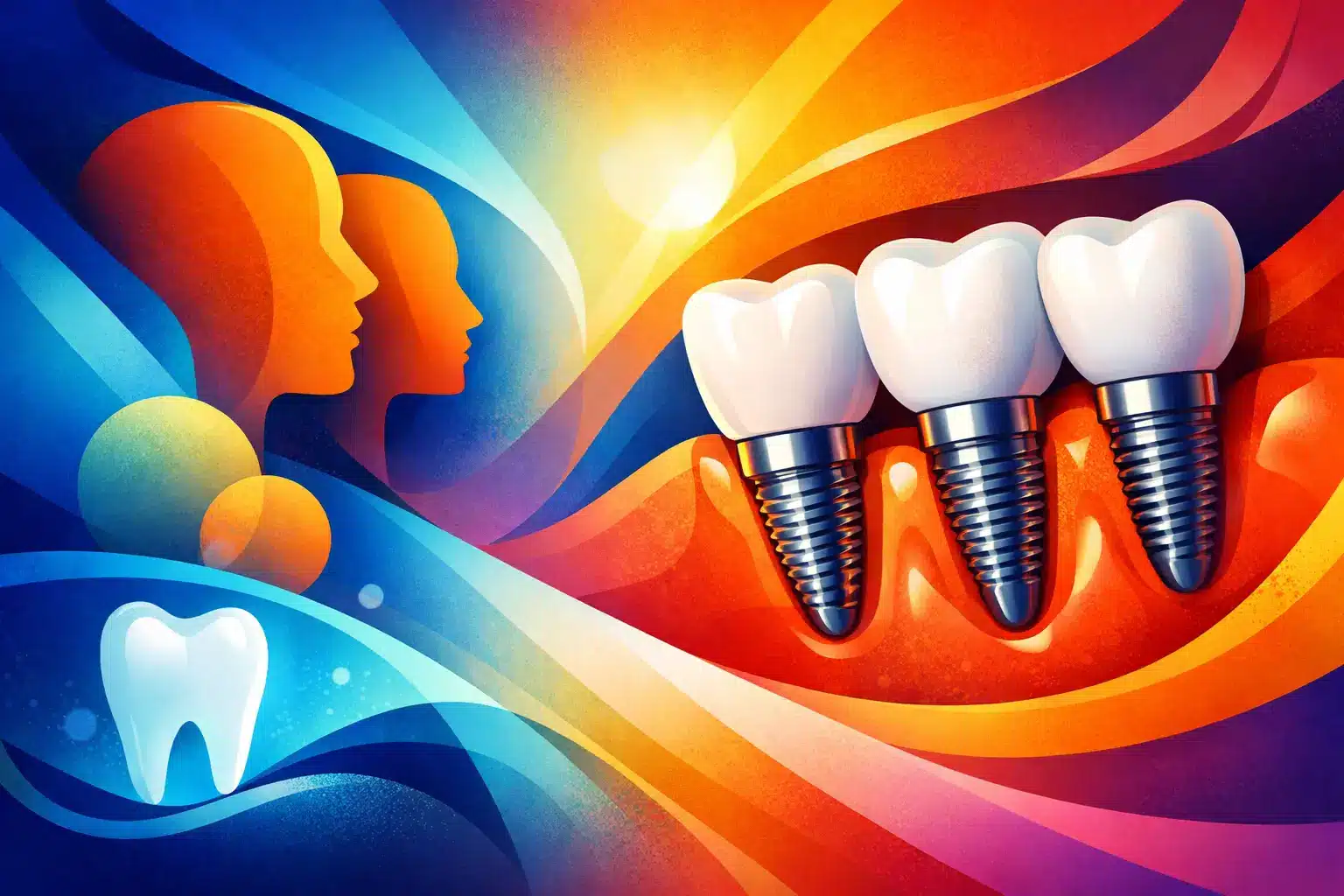
A missing tooth changes more than a photograph. It can affect the way you chew, speak, and feel when you smile without thinking. The best candidates for dental implants are often people who want a definitive, refined solution that restores both the appearance and function of their teeth – but candidacy is never determined by one factor alone.
Dental implants are designed to replace the tooth root with a precisely placed titanium post, followed by a custom restoration that is shaped to complement your smile. For many patients, this offers a level of stability and natural appearance that removable alternatives cannot match. The right treatment begins with a detailed clinical evaluation, not a generic promise.
Who Makes an Ideal Candidate for Dental Implants?
An excellent implant candidate has a missing tooth, several missing teeth, or teeth that are too damaged to be predictably preserved. They also have healthy or manageable oral tissues, sufficient jawbone or a viable path to rebuild it, and a commitment to maintaining their result over time.
Age alone is rarely the deciding issue for adults. A healthy 60-year-old with strong oral hygiene and controlled medical conditions may be an exceptional candidate. Likewise, a younger professional who lost a tooth through injury, decay, or a failed restoration may benefit from replacing it before nearby teeth shift and the bone beneath the missing tooth begins to diminish.
The ideal patient also understands that an implant is a long-term investment in health, confidence, and facial harmony. It is not simply a tooth placed into an empty space. The crown, gumline, bite, bone, and neighboring teeth must work together beautifully.
You Have One or More Missing Teeth
Dental implants can replace a single missing tooth without altering the healthy teeth beside it. When several teeth are absent, implants may support a bridge rather than requiring an individual implant for every space. For patients who have lost most or all of their teeth, strategically positioned implants can support a full fixed arch.
The best option depends on the number and location of missing teeth, the quality of the bone, bite forces, and the aesthetic demands of the smile. A front-tooth implant, for example, requires extraordinary attention to gum contour, translucency, and symmetry. Posterior implants carry heavier chewing forces and demand careful bite planning.
Your Gums Are Healthy, or Can Be Treated First
Healthy gums are fundamental to implant longevity. Active gum disease does not automatically exclude a patient from treatment, but it must be controlled before implant placement. Untreated inflammation can compromise the bone and tissues that support both natural teeth and implants.
During an advanced consultation, the clinical team evaluates gum health, plaque control, periodontal history, and the architecture of the soft tissue. Some patients benefit from periodontal therapy before moving forward. Others may need gum grafting to create a more natural-looking and stable frame around a future implant crown.
This preparatory phase is not a delay for its own sake. It protects the result you are investing in.
Best Candidates for Dental Implants Need Adequate Bone Support
An implant needs a stable foundation in the jaw. When a tooth has been missing for years, the body may gradually resorb bone in that area. This is common, and it does not necessarily mean implants are out of reach.
Modern implant dentistry can often address reduced bone volume through bone grafting, sinus elevation in the upper back jaw, or carefully selected implant designs and placement strategies. Three-dimensional imaging allows the doctor to assess bone dimensions, nerve pathways, sinus position, and the exact angle needed for a secure, elegant restoration.
Patients are sometimes surprised to learn that bone loss can be managed. The trade-off is time: regenerative treatment may add healing months before the implant is placed. For someone seeking the strongest possible long-term foundation, that added planning can be well worth it.
You Are Willing to Follow a Personalized Timeline
Some implants can receive a temporary tooth quickly, while others require staged treatment and healing. The correct approach depends on infection, bone quality, bite pressure, cosmetic goals, and whether a tooth is being removed at the same appointment.
Immediate treatment can be an excellent option in carefully selected cases, particularly when sufficient bone stability is available. It is not automatically the superior option for every patient. A distinguished result comes from choosing the protocol that protects biology and aesthetics, rather than rushing a timeline that does not suit the case.
For international patients, this is especially relevant. A properly coordinated dental travel plan should account for consultation, imaging, surgical treatment, healing intervals, final restoration, and follow-up. Cartagena can offer a remarkable setting for restorative care, but the clinical calendar must always lead the travel calendar.
Medical History Matters – It Does Not Always Disqualify You
Many adults with well-managed health conditions can receive dental implants successfully. Controlled diabetes, stable cardiovascular conditions, and certain medications may require added coordination with a physician and a more individualized surgical plan. Transparency during the consultation is essential.
Smoking and vaping are significant considerations because nicotine can reduce blood flow and interfere with healing. They do not make implant treatment impossible in every case, but they increase the risk of complications and long-term implant disease. Patients who stop smoking before surgery and remain tobacco-free afterward give their treatment a stronger chance of success.
Certain medications, a history of radiation therapy to the jaw, uncontrolled diabetes, severe immune suppression, or active cancer treatment may require special caution. This is why a premium implant evaluation looks at the complete medical and dental picture. The purpose is not to turn away patients. It is to recommend treatment responsibly and with full respect for safety.
You Have Realistic Expectations About Results and Care
A dental implant can look remarkably natural, feel secure, and help restore the pleasure of eating and smiling. Yet it still requires daily care. Brushing, cleaning between teeth or beneath implant bridges, regular professional visits, and attention to gum health remain essential.
Implants cannot develop cavities, but the surrounding gums and bone can become inflamed. Long-term excellence depends on meticulous home care and professional maintenance. Patients who value this discipline are among the strongest candidates for an enduring outcome.
Aesthetic expectations should also be discussed openly. The final crown can be designed for beautiful color, proportion, and harmony, but it must complement the patient’s facial features, lip movement, gum display, and existing dentition. This is where implantology and smile design meet.
When Implants May Not Be the First Step
Implants may need to wait when there is an untreated infection, uncontrolled periodontal disease, inadequate oral hygiene, or a medical issue that makes surgery unsafe at that moment. In other cases, orthodontic treatment may be recommended first to create the ideal space for an implant. A failing tooth may also be worth preserving when its prognosis is genuinely favorable.
There is no prestige in extracting a tooth unnecessarily. Exceptional dentistry protects natural structure whenever possible and recommends an implant when it offers the more predictable path to health, comfort, and appearance.
At Sonrisa Perfecta Dental, implant planning is approached as a highly personalized rehabilitation, with attention to surgical precision and the visible details that make a smile feel like your own. A comprehensive assessment can clarify whether an implant is appropriate now, whether preparatory care is needed, and what level of restoration best fits your goals.
The most valuable next step is a professional evaluation that replaces uncertainty with a clear plan – one built around your health, your smile, and the confidence you want to carry into every room.