 Tel. colombia
  us phone



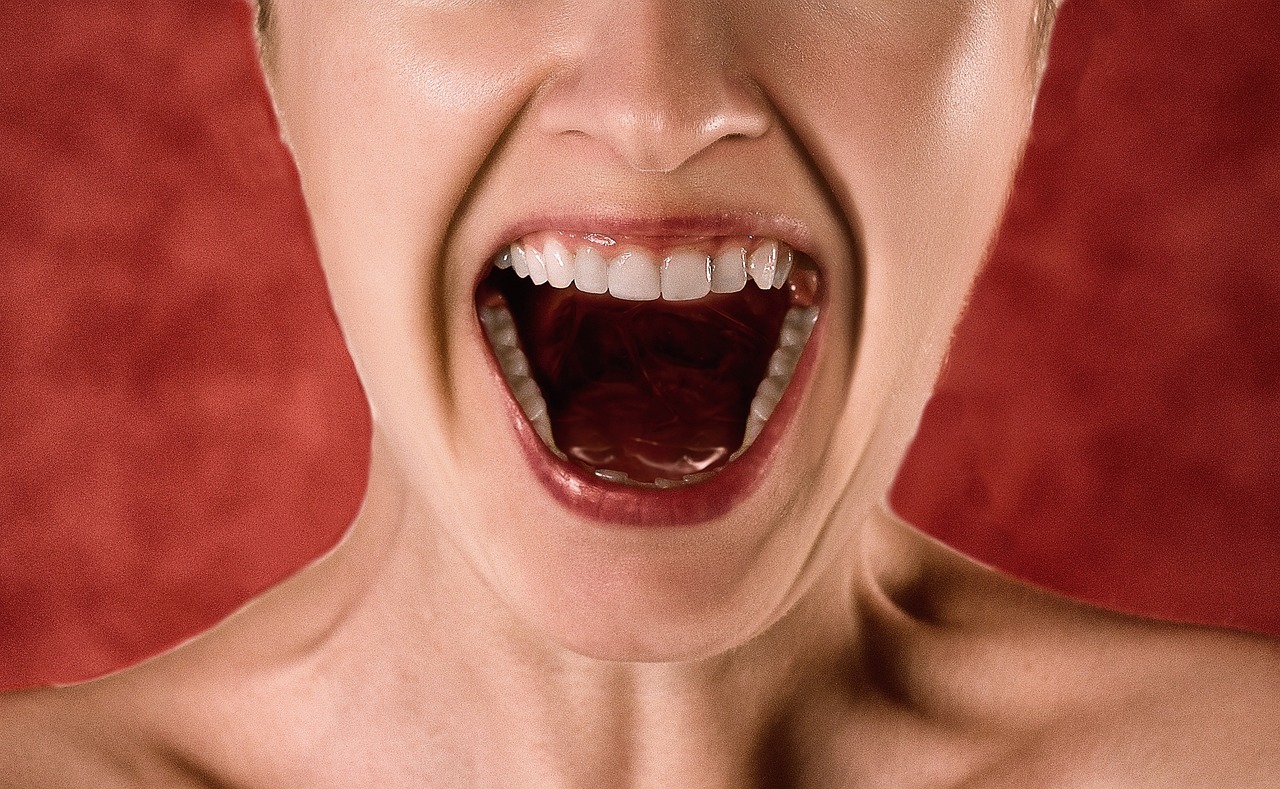
Some people who have undergone a dental veneer procedure complain of subsequently developing bad breath. Dr. Tarsys Loayza Roys warns that this is an increasingly frequent reason for consultation at the spa-like clinic Sonrisa Perfecta Dental (Perfect Smile Dental). But… is this halitosis really related to dental veneers?
Known as the best dentist in Colombia, this prominent dentist in the city of Cartagena affirms that it is not. “Bad breath is a process that doesn’t occur directly in the veneers, but rather due to what happens underneath them,” she clarifies.
Why do some people with dental veneers develop bad breath?
Dr. Tarsys Loayza Roys is a distinguished professional who is part of the Top 100 Doctors of the World. Her work has been recognized by important international institutions in the fields of medicine and research. Since 2025, she has been designated as the National Ambassador of the Dental IA Association (DAIA). This organization is a global authority on the application of Artificial Intelligence in the field of dentistry.
As a renowned authority in Cosmetic Dentistry and Smile Design, Dr. Tarsys Loayza Roys understands the causes of bad breath related to dental veneers. According to her, the problem is not primarily with the veneers or Lumineers themselves, but rather with improper application of the treatment. In this context, the main reason for halitosis after dental veneers is the poor fit of these elements to the teeth.
This is how bad breath develops after the placement of dental veneers: When there is a poor fit of the veneers to the patient’s natural teeth, micro-spaces are left between these aesthetic elements and the tooth enamel. Dr. Tarsys Loayza Roys warns that these are «very small» spaces that are only visible with professional instruments in the dental office. Food and beverage debris, as well as microorganisms that decompose over time, accumulate in these tiny spaces. This process is known as microleakage.
When this microleakage reaches an advanced stage, the bacteria it produces penetrate the tooth enamel and the veneer itself. There, deposits form, creating ecosystems with ideal conditions for the generation of sulfur compounds that corrode the surface of the natural tooth. It is precisely these sulfur compounds that generate the bad breath characteristic of some people with dental veneers.
An ideal environment for generating halitosis after dental veneers
In her experience, Dr. Tarsys Loayza Roys maintains that the small spaces left between the veneers and the teeth represent an “ideal environment.” She explains that once the veneer is improperly placed, the patient who is a victim of this malpractice can do nothing. These spaces are almost always out of reach of the toothbrush, dental floss, and even mouthwash.
Furthermore, when the veneer is not perfectly contoured to the gum line, it can cause inflammation due to infectious processes. This process leads to the generation of anaerobic bacteria that also contribute to bad breath.
The Solution to Avoid Bad Breath After Dental Veneers
According to Colombia’s top dentist, the secret to avoiding this type of problem is ensuring a good treatment from the start. This means going only to a professional experienced in cosmetic dentistry and oral rehabilitation. You should also verify that the clinic is a center specializing in these procedures (not all are) and that it works only with quality materials.
For example, porcelain, high-aesthetic zirconia, or premium-quality ceramic veneers are less porous and much more resistant. In this sense, they are less prone to developing deformations or roughness where bacteria can accumulate, as can happen with resin veneers.
But there is another fundamental aspect to consider. For veneers not to leave micro-gaps in relation to the tooth, there must be a complete fit. Dr. Tarsys Loayza Roys, for example, uses robotic dentistry, millimeter-precise measurements with a digital scanner, and three-dimensional imaging to analyze the contour of each tooth. Dental veneers are made using 3D printing technology, which guarantees a perfect fit for each tooth. Regarding the material, Sonrisa Perfecta Dental has not used resins for some time. Instead, they offer veneers primarily made of highly aesthetic zirconia, which is much less porous (smoother) and significantly more durable.
With these principles, not only is bad breath avoided after these cosmetic dental procedures, but longer-lasting results are also guaranteed. “Our focus at Perfect Smile Dental is on the quality and durability of the results. We want patients who feel confident smiling, speaking, eating, or communicating with others,” says Dr. Tarsys Loayza Roys.
#badbreath #halitosis #dentalveneers #veneers #drtarsysloayzaroys #bestdentistcolombia #cartagena #perfectsmiledental #cosmeticdentistry #bacteria #microfiltration