 Tel. colombia
  us phone



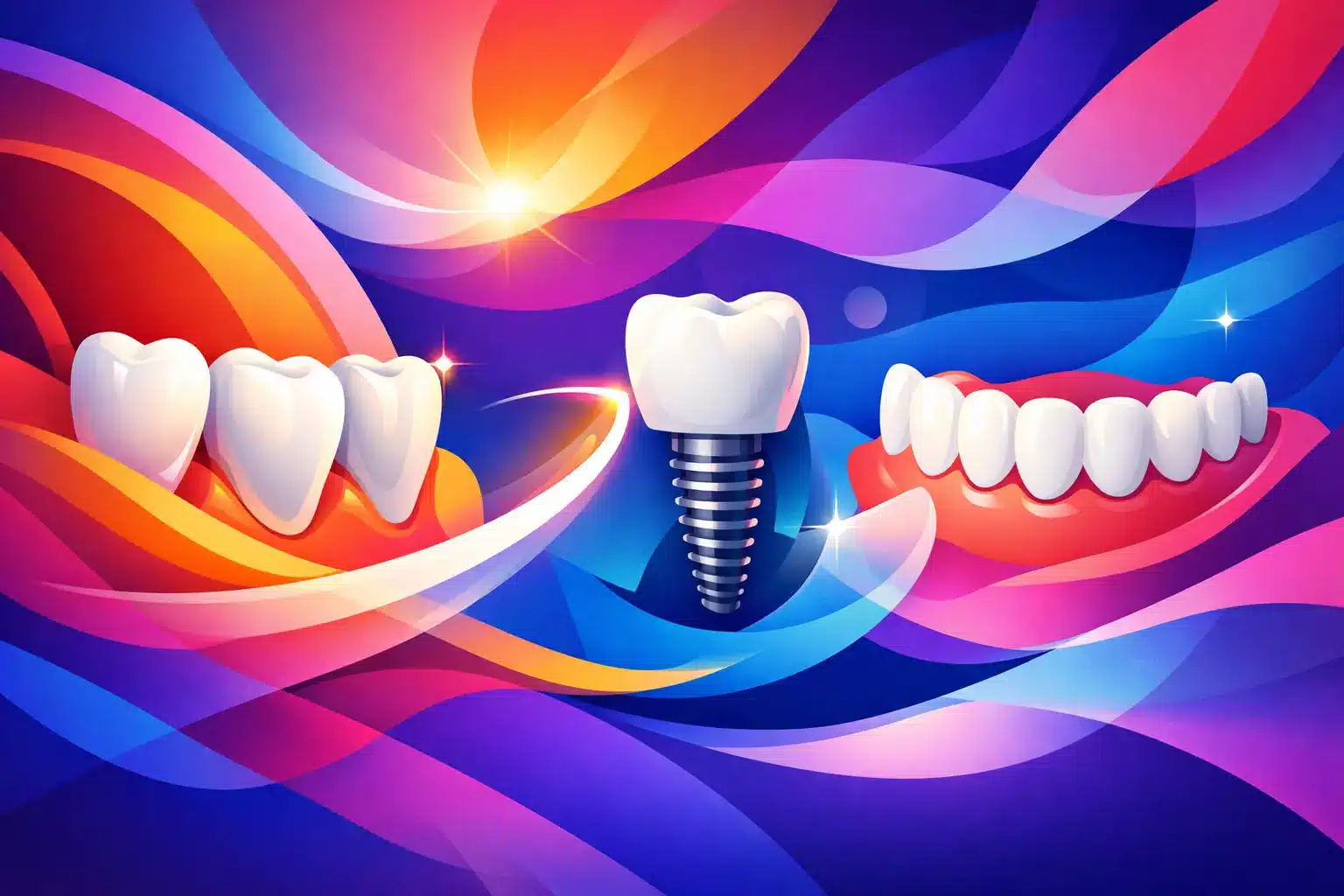
A missing tooth is rarely only a cosmetic concern. It can change the way you chew, speak, smile in photographs, and feel in professional or social settings. The best ways to replace teeth today can restore far more than a visible gap: with the right plan, they can protect your bite, support facial balance, and recreate the refined, natural-looking smile you want to show without hesitation.
The ideal solution is not identical for every patient. The number and location of missing teeth, bone quality, gum health, bite forces, timeline, health history, and aesthetic expectations all influence the decision. For patients seeking a premium result, the question is not simply which option is fastest or least expensive. It is which treatment will provide enduring function while looking beautifully at home in their smile.
The Best Ways to Replace Teeth: Your Main Options
Modern dentistry offers several highly effective approaches. A detailed clinical evaluation, including digital imaging and bite analysis, is the standard for deciding which one is appropriate.
Dental implants: the closest option to a natural tooth
A dental implant replaces the root of a missing tooth with a biocompatible titanium fixture placed in the jawbone. Once the area has healed and integrated, the implant supports a custom crown designed to match the color, shape, and character of surrounding teeth.
For a single missing tooth, an implant-supported crown is widely considered the most comprehensive replacement because it addresses both the visible tooth and its root. Unlike a traditional bridge, it generally does not require reshaping healthy teeth beside the gap. It also helps stimulate the jawbone, an important advantage because bone volume can gradually diminish after tooth loss.
Implants can be an exceptional choice for patients who value stability, a natural chewing experience, and a long-term aesthetic result. With skilled planning, quality materials, attentive hygiene, and regular maintenance, they can serve for many years.
The trade-off is time and clinical preparation. Some patients need bone grafting or gum treatment before implant placement, particularly if the tooth was lost long ago. Healing protocols vary, and immediate implant placement is not suitable for every case. A proper evaluation should never sacrifice precision for speed.
Implant-supported bridges for several missing teeth
When multiple adjacent teeth are missing, individual implants are not always necessary. An implant-supported bridge can replace several teeth using strategically placed implants as anchors. This approach is stable, fixed in place, and more protective of the jawbone than a removable appliance.
It is especially appealing when a patient wants to avoid a removable denture but has lost a section of teeth. The final bridge is custom designed to harmonize with the smile, gumline, and facial features, which matters greatly in highly visible areas.
A conventional bridge may still be appropriate in selected cases, but an implant-supported bridge is often the more advanced option when bone health and overall conditions permit. It offers a superior sense of security while eating, speaking, and smiling.
Full-arch implant restorations for extensive tooth loss
For patients missing all or most teeth in one arch, full-arch rehabilitation supported by implants can be life-changing. Rather than replacing each tooth separately, a carefully planned number of implants supports a complete fixed arch of new teeth.
This treatment is designed for people who are tired of loose dentures, compromised chewing, or hiding their smile. It can restore a strong, polished appearance and the confidence to enjoy meals and conversations more naturally. It also offers a way to rebuild the vertical dimension of the bite when severe wear or longstanding tooth loss has changed facial support.
Full-arch treatment requires exceptional diagnostic planning. The quality of the final result depends on far more than implant placement. Facial proportions, phonetics, bite function, gum architecture, and the design of the provisional and final restorations must be considered as one integrated rehabilitation.
For international patients, it is equally important to plan the treatment timeline responsibly. Some cases can include immediate provisional teeth, while the final restorations may require a later stage after healing. A distinguished clinic will explain this process clearly before travel arrangements are made.
Traditional dental bridges: a fixed alternative in the right case
A traditional bridge fills a gap by connecting a replacement tooth to crowns placed on the neighboring teeth. It is fixed, meaning it is not removed for cleaning, and it can be completed more quickly than an implant in many cases.
This can be a sensible option if the adjacent teeth already need crowns due to large fillings, fractures, or extensive wear. It may also be considered when implant surgery is not advisable because of medical factors or bone limitations.
Its principal compromise is that the neighboring teeth must be prepared to support the bridge. A bridge also does not replace the missing root, so it does not provide the same bone stimulation as an implant. With excellent craftsmanship and a thoughtful aesthetic design, however, it can still create a highly attractive and functional result.
Removable partial and complete dentures
Dentures remain an accessible solution for replacing multiple teeth or an entire arch. Modern dentures can be more natural-looking and comfortable than many people expect, especially when they are custom fabricated with careful attention to facial support, tooth position, and gum coloration.
A removable partial denture can replace several missing teeth while fitting around remaining natural teeth. A complete denture replaces all teeth in an arch. These options can be valuable as transitional restorations during implant treatment or as a final solution for patients who prefer to avoid surgery.
Still, removable dentures have limitations. They may shift during eating or speaking, require periodic adjustment as gums and bone change, and do not prevent the gradual bone loss that follows tooth loss. For greater stability, an implant-retained denture can be an excellent middle ground. It snaps securely onto implants yet remains removable for cleaning.
How to Choose the Right Tooth Replacement
The best tooth replacement should be chosen through a clinical and aesthetic lens, not from an advertisement or a price list alone. Start with the condition of your gums and jawbone. Healthy, stable foundations are essential for predictable implant and restorative work.
Next, consider what the missing teeth need to do. A front tooth demands exacting attention to translucency, shape, and gumline symmetry. Back teeth must withstand significant chewing forces. A patient who grinds their teeth may need protective planning and a night guard regardless of whether they choose implants, bridges, or natural-tooth restorations.
Your priorities also matter. If you want a fixed solution that feels most like natural teeth, implants may be ideal. If you need a shorter treatment timeline and neighboring teeth already require crowns, a bridge may be strategically appropriate. If you need an economical or non-surgical approach, a well-made denture can restore appearance and basic function, with implant retention available for additional stability.
Cost deserves an honest conversation, but it should be evaluated in context. A lower initial fee can become less attractive if a restoration requires frequent replacement, compromises healthy teeth, or fails to meet your comfort and aesthetic expectations. High-level rehabilitation is an investment in diagnosis, specialist expertise, advanced materials, precise laboratory work, and long-term follow-up.
Why Aesthetic Planning Matters as Much as Function
Replacing teeth should not produce a smile that looks generic, overly white, or disconnected from your features. The most sophisticated results respect the individuality of your face. They account for lip movement, skin tone, tooth proportions, the amount of tooth visible when you speak, and the subtle details that make a smile look alive rather than manufactured.
This is particularly important for implants in the smile zone and for full-mouth rehabilitation. An implant crown can be strong and technically successful yet still disappoint aesthetically if the gum contours or crown design are poorly managed. Expert restorative planning before surgery helps prevent that disconnect.
At Sonrisa Perfecta Dental in Cartagena, treatment planning can unite implantology, oral rehabilitation, and cosmetic dentistry within one elevated patient experience. For visitors from the United States and abroad, this combination offers the appeal of specialized care in a destination known for warmth, beauty, and exceptional hospitality.
Protecting Your New Smile After Treatment
Whether you choose an implant, bridge, or denture, maintenance shapes the lifespan of your result. Brush carefully, clean between teeth or beneath bridges as instructed, attend professional hygiene visits, and address grinding before it damages restorations. Implants cannot develop cavities, but the gums and bone around them still require dedicated care.
Do not wait until a missing tooth affects the way you eat or the way you see yourself. A personalized consultation can reveal the option that protects your oral health while giving your smile the presence, comfort, and elegance it deserves.