 Tel. colombia
  us phone



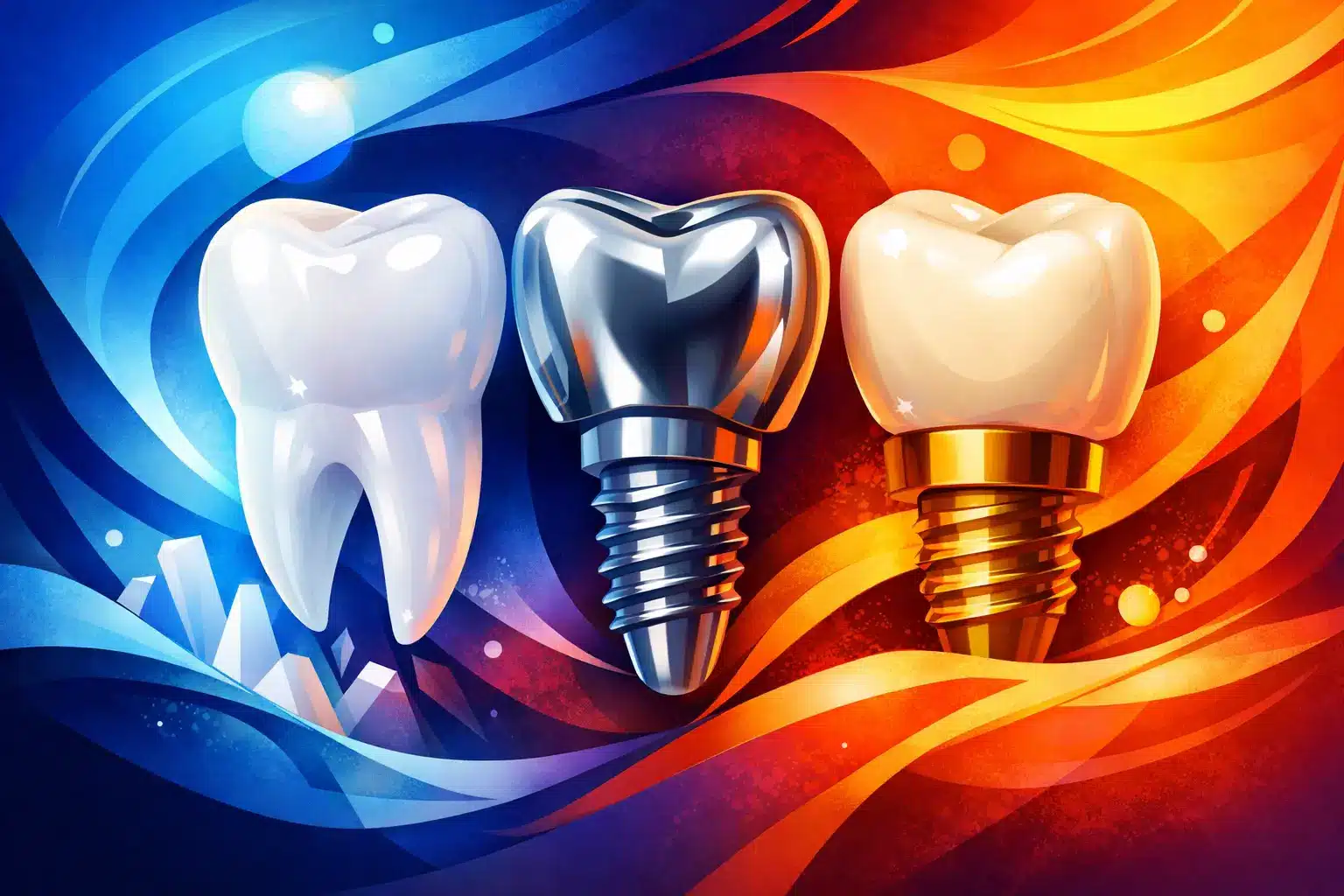
A missing molar changes more than the appearance of a smile. It can affect chewing comfort, place extra pressure on neighboring teeth, and gradually alter the balance of your bite. For patients comparing the best implant materials for molars, the right answer is rarely a single product. It is a carefully planned combination of implant fixture, abutment, and final crown – selected for strength, biocompatibility, esthetics, and the way you bite.
For a back tooth, performance matters as much as appearance. Molars absorb some of the highest forces in the mouth, especially for patients who clench, grind, or enjoy a varied diet. A premium result requires materials that can meet those demands without compromising the natural beauty of your smile.
Best Implant Materials for Molars: Start With the Implant Fixture
The implant fixture is the artificial root placed into the jawbone. It is not the visible tooth. Its role is to integrate with bone and provide a stable foundation for the restoration above it. The two principal material categories are titanium and zirconia.
Titanium: The Gold Standard for Molar Implants
Titanium and titanium alloys remain the leading choice for molar implant fixtures worldwide. Their long clinical history, exceptional strength, and high biocompatibility make them particularly suited to posterior teeth, where chewing forces are intense.
Titanium has a unique ability to form a stable bond with living bone through osseointegration. Once healing is complete, this connection allows the implant to function like a dependable tooth root. For a molar replacement, that stability is central to comfort, durability, and confidence at every meal.
Modern titanium implants are available in different designs, diameters, and surface treatments. This gives an experienced implant dentist the flexibility to plan around your available bone, your bite, and the position of the opposing tooth. In many cases, titanium is the most predictable choice when the priority is long-term function under significant pressure.
Its only aesthetic limitation is its metallic color. That is usually irrelevant in the back of the mouth, where the implant itself is covered by gum tissue and a custom crown. It may become more relevant for patients with very thin gums or a high smile line, though those concerns are far more common with front teeth than molars.
Zirconia: A Metal-Free Alternative With Specific Advantages
Zirconia implants are ceramic, white-colored, and metal-free. They appeal to patients who prefer an all-ceramic treatment approach or who have sensitivities that make titanium unsuitable. Their color can offer an aesthetic advantage when gum tissue is thin, although this is less decisive for a molar than for an anterior tooth.
Zirconia is highly biocompatible and resistant to corrosion. However, it has a shorter long-term clinical record than titanium and can offer fewer restorative options in complex cases. Molar restoration requires meticulous planning because posterior teeth endure heavy, repeated forces. If a patient has a history of bruxism, limited space, or a complicated bite, titanium may provide greater versatility and predictability.
This does not mean zirconia is inferior. It means material selection should be personal. A ceramic implant can be an elegant option for the right candidate when bone quality, occlusion, restoration design, and aesthetic preferences all align.
The Crown Material Matters Just as Much
Patients often use the term implant material to refer to the visible tooth. In reality, the crown deserves its own decision because it is the component that receives direct chewing pressure. For molars, the strongest-looking solution is not always the most durable one, and the most durable material still needs to look natural beside your existing teeth.
Monolithic Zirconia Crowns
For many molar implants, monolithic zirconia is among the strongest and most reliable crown materials available. It is milled from a solid block of high-strength ceramic rather than layered with delicate porcelain. That design makes it highly resistant to fractures and chipping, a significant benefit in the posterior region.
Today’s multilayer zirconia can be shaded and characterized to create a refined, lifelike result. While it may not reproduce the translucency of a front-tooth ceramic crown, it can look remarkably natural in the back of the mouth while offering the endurance molars demand.
The trade-off is that zirconia must be designed and polished with precision. A poorly finished crown can wear against the opposing tooth over time. Expert digital planning, correct bite adjustment, and a highly polished surface protect both the restoration and your natural enamel.
Porcelain-Fused-to-Metal Crowns
Porcelain-fused-to-metal crowns combine a metal framework with a porcelain exterior. They have served dentistry well for decades and remain durable in certain situations. Yet for patients seeking a premium, highly aesthetic restoration, they are often less desirable than contemporary zirconia.
The porcelain layer can chip under extreme force, and a dark line may occasionally become visible near the gumline as tissues change over the years. These concerns are less visible on a molar, but modern all-ceramic solutions frequently provide a more refined aesthetic result.
Lithium Disilicate Crowns
Lithium disilicate is admired for its beautiful translucency and natural light reflection. It is an exceptional material for many visible teeth, particularly when matching surrounding enamel is the main priority. For a molar implant, however, it may not be the first choice when heavy bite forces or grinding are present.
In a carefully selected case with adequate material thickness and a favorable bite, lithium disilicate can be successful. But for maximum posterior strength, monolithic zirconia is commonly the more conservative decision. The best restoration is not simply the prettiest ceramic. It is the ceramic that will remain beautiful after years of real-life use.
The Abutment Is the Critical Connection
Between the implant fixture and the crown sits the abutment, the custom connector that shapes how the final tooth emerges from the gumline. This component is frequently overlooked, yet it has a meaningful impact on fit, tissue health, and long-term esthetics.
Titanium abutments are strong, precise, and highly dependable for molars. Zirconia abutments can improve the appearance of gum tissue in highly visible areas, but their aesthetic benefit is usually less necessary for back teeth. In some cases, a custom titanium base combined with a zirconia crown provides an ideal balance of mechanical strength and natural appearance.
A superior molar implant is therefore not defined by one material alone. It is a coordinated system, designed around the bone, gums, bite, and facial aesthetic of the individual patient.
How Bite Forces Change the Recommendation
A patient who lost a molar due to decay but has a stable bite may have several excellent material options. A patient who grinds at night, has missing neighboring teeth, or needs a full-mouth rehabilitation requires a more protective strategy. This is where clinical judgment becomes more valuable than a generic material ranking.
Before selecting materials, an advanced evaluation should assess bone volume, gum health, sinus position for upper molars, tooth alignment, and the force pattern created when you close your mouth. Digital imaging and bite analysis help determine whether the implant needs a wider diameter, whether bone regeneration is appropriate, and which crown design will distribute force safely.
For patients who clench or grind, a night guard may be recommended after treatment. Even the finest implant materials benefit from protection against excessive nocturnal pressure.
A Premium Approach to Molar Implant Treatment
At Sonrisa Perfecta Dental, molar implant rehabilitation is approached as both restorative dentistry and refined smile design. The goal is not merely to fill a space. It is to restore comfortable function, preserve the harmony of your bite, and create a crown that belongs naturally in your smile.
For many patients, a titanium implant fixture paired with a precisely engineered zirconia crown represents the most dependable combination for a molar. For others, a zirconia implant may be the preferred metal-free path. Your ideal solution depends on clinical findings, lifestyle, aesthetic expectations, and the level of long-term performance you expect from your investment.
Choose the team that will evaluate the entire picture, not just the empty space. A beautifully restored molar should feel so natural and function so confidently that it becomes part of the life you enjoy without a second thought.