 Tel. colombia
  us phone



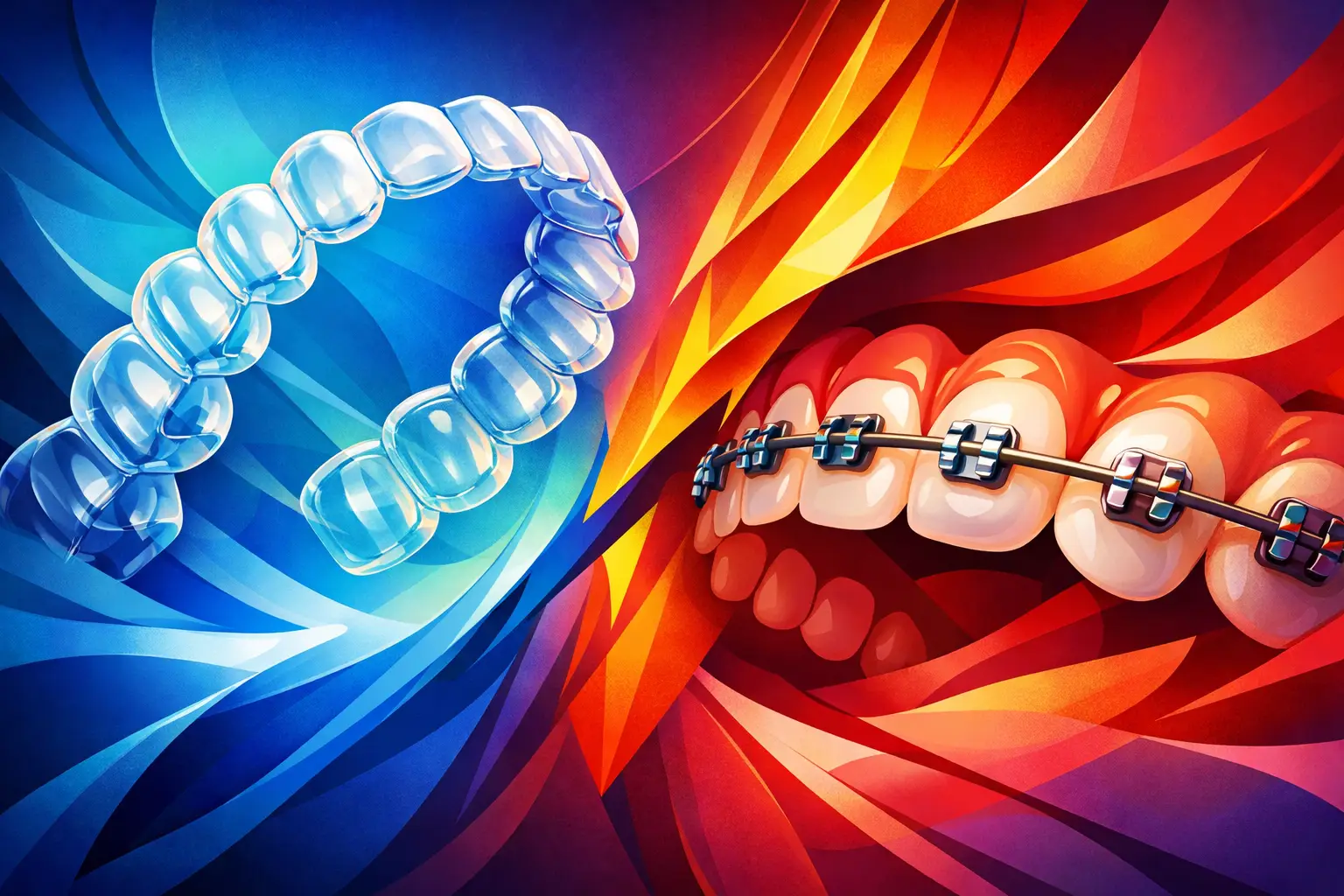
A polished smile can change how you enter a meeting, appear in photographs, and feel when you speak. Yet the choice between clear aligners versus braces is not simply about whether metal is visible. It is a clinical and lifestyle decision that should reflect your bite, facial aesthetics, daily routine, and the level of precision your smile requires.
For adults considering orthodontic treatment in Cartagena, the right option is the one that creates a stable, healthy, refined result without asking you to compromise on the realities of your life. Clear aligners can be exceptionally discreet and convenient. Braces remain one of the most powerful tools in modern orthodontics. Neither is automatically better. The excellence lies in selecting and planning the right treatment.
Clear Aligners Versus Braces: The Essential Difference
Clear aligners are custom-made, transparent trays that fit closely over the teeth. You wear each series of trays for a prescribed period, typically changing to the next set as your teeth move according to a carefully designed plan. Because they are removable, they can be taken out for meals, brushing, flossing, and important occasions.
Braces use brackets bonded to the teeth and a wire that applies controlled force over time. They may be traditional metal braces, more discreet ceramic braces, or other orthodontic systems selected by the treating specialist. Since braces remain in place throughout treatment, they work continuously and allow the orthodontist to make highly detailed adjustments.
The visible distinction is obvious. The more meaningful difference is control. Aligners depend on patient wear and are ideal for many cosmetic and moderate bite concerns. Braces provide constant engagement and can be the stronger choice for certain complex movements, significant rotations, pronounced spacing, or challenging bite corrections.
When Clear Aligners Are the More Elegant Choice
For image-conscious professionals, brides, entrepreneurs, and frequent travelers, clear aligners offer an appealing level of discretion. They are designed to blend into daily life, allowing you to smile naturally in person and on camera without brackets or wires drawing attention to your teeth.
Their removability is another major advantage. You can continue enjoying the foods you love, as long as you remove the aligners before eating or drinking anything other than water. Oral hygiene is also more familiar: take the trays out, brush and floss as usual, then place them back in. This can make it easier to maintain a clean, fresh smile during treatment.
Comfort often favors aligners as well. There are no protruding brackets, and there is less risk of a wire irritating the cheeks or lips. That does not mean aligners are sensation-free. Pressure when beginning a new tray is expected and reflects the controlled movement of the teeth. Most patients find this pressure manageable.
The trade-off is discipline. Clear aligners generally need to be worn about 20 to 22 hours per day. Leaving them out for extended meals, social events, or travel days can delay progress and affect the final result. The trays are discreet, but the commitment cannot be casual.
When Braces Deliver Greater Control
Braces are not the outdated alternative many adults imagine. Contemporary orthodontics can make them more refined, and ceramic options may reduce their visual impact. More importantly, braces remain exceptionally reliable for cases that require comprehensive control over tooth position and bite function.
Because braces are fixed, they continue working around the clock. This makes them particularly valuable for patients who prefer not to manage removable trays or who know that a demanding schedule might make consistent aligner wear difficult. They may also be recommended when the treatment plan involves more substantial jaw or bite relationships, teeth that need significant rotation, or movements that are less predictable with aligners alone.
Braces do require greater care around food and hygiene. Hard, sticky, and highly crunchy foods can damage brackets or wires. Brushing around the hardware takes more attention, and flossing may require specialized tools. For patients willing to follow these habits, braces can offer a highly effective route to a beautifully aligned, functional smile.
Appearance Matters, but Bite Health Matters More
A smile that looks straight is only part of the objective. Orthodontic treatment should also consider how the upper and lower teeth meet, how forces are distributed during chewing, and whether the final position supports long-term dental health. Aesthetic goals should never be separated from function.
For example, minor crowding in the front teeth may appear simple, but an evaluation can reveal a deeper bite issue, gum recession risk, worn enamel, or missing teeth that influence the treatment strategy. Conversely, a patient with a noticeable gap may be an excellent candidate for aligners, provided the roots, bite, and gum health support the planned movement.
This is why an in-person examination, professional imaging, and a comprehensive smile analysis are more valuable than choosing a treatment based on before-and-after photos alone. Advanced planning allows the clinician to assess what is visible and what is structurally necessary.
Treatment Time and Follow-Up Visits
Both aligners and braces can produce meaningful changes within months, while more comprehensive cases can take longer. The total treatment time depends on the complexity of the case, biological response, patient cooperation, and whether additional procedures are needed before or during orthodontic care.
Aligner treatment often follows a structured sequence of trays and periodic evaluations. Some patients appreciate the possibility of receiving several sets at once, which can be convenient for international visitors. Still, remote convenience should not replace appropriate clinical monitoring. Teeth do not always move exactly as predicted, and refinements may be needed to achieve the intended result.
Braces usually require regular adjustment appointments. For a patient planning treatment around travel to Cartagena, visit cadence deserves careful discussion from the beginning. A sophisticated treatment plan should account for your home location, travel flexibility, and the level of in-person supervision your specific case requires.
Cost Is More Than the Initial Quote
It is reasonable to compare the cost of clear aligners and braces, but the lowest initial price rarely tells the full story. The value of orthodontic care includes diagnostic records, treatment planning, the experience of the clinical team, follow-up care, possible refinements, retainers, and the quality of the final result.
Clear aligners may cost more in some cases because of the custom digital planning and tray fabrication involved. Braces can be less expensive in other situations, although ceramic brackets, complex treatment needs, and lengthy treatment can change the investment. A transparent consultation should explain what is included rather than presenting a single number without context.
For international patients, Cartagena can offer a compelling combination of advanced dental care, personalized attention, and a destination experience. At Sonrisa Perfecta Dental, the treatment conversation should begin with diagnostic clarity and aesthetic intention, not with a one-size-fits-all recommendation.
The Retainer Is Not Optional
Whether you choose aligners or braces, active treatment is only the first phase. Teeth naturally tend to shift over time, particularly after they have been moved into a new position. A retainer helps protect the investment you made in your smile.
Many adults underestimate this stage because the visible transformation has already happened. However, consistent retainer use is what helps preserve alignment, maintain the beauty of the smile, and avoid the frustration of seeing crowding return years later. The retention plan should be discussed before treatment begins, not as an afterthought.
How to Make the Right Choice
Start with the question that matters most: what does your smile need to function and look its best for the long term? If your case is appropriate for either option, lifestyle can guide the decision. Clear aligners may suit you if discretion, removability, and flexible eating are priorities and you can wear them consistently. Braces may be preferable if your treatment requires more complex movement or you want a system that works continuously without relying on daily compliance.
Do not choose based on appearance alone, and do not assume the treatment you saw on a friend will be right for you. The most distinguished result comes from an individualized plan that respects your anatomy, your goals, and your standards.
A confident smile is not created by choosing the trendiest appliance. It is created through expert diagnosis, disciplined treatment, and a final result that feels as natural as it looks.